African Safari Peak Season: Complete Guide to Safari Peak Season in Africa

Published on October 01, 2026 • Verified Itinerary Guide

Safari Peak Season in Africa: What Does It Mean?

The safari peak season in Africa refers to the time of year when many popular wildlife destinations experience their highest demand from travelers. In much of East Africa, particularly Tanzania and Kenya, the main peak season generally falls between June and October, when the weather is mostly dry and wildlife viewing conditions are often very good.

During the dry season, rainfall is limited and some natural water sources begin to dry up. Many animals then gather around permanent rivers, lakes, waterholes, and other reliable sources of water. With less vegetation in many areas, wildlife can also be easier to spot during game drives, making this period popular with both first-time safari travelers and experienced wildlife enthusiasts.

The African safari peak season is also an important time for travelers interested in major wildlife experiences. In Tanzania and Kenya, the Great Wildebeest Migration is one of the main attractions during this period. The herds move through the Serengeti and Masai Mara ecosystem throughout the year, so the exact location of the migration depends on rainfall, grazing conditions, and the movement of the animals.

It is important to understand that peak safari season is not exactly the same across every African country or national park. Different destinations have different weather patterns, wildlife movements, and tourism seasons. For this reason, choosing the right destination can be just as important as choosing the right month to travel.

Higher demand during peak season can also mean higher accommodation prices and more visitors in popular wildlife areas. Camps and lodges in sought-after locations may fill up well in advance, especially during July, August, and September. Booking early can therefore give you more choice when selecting your preferred accommodation and safari dates.

For anyone planning a safari, understanding the peak season is about more than simply choosing a travel month. It helps you plan your destination, accommodation, budget, wildlife experiences, and overall safari style according to what you want to see and experience in Africa.

When Is Peak Safari Season in Africa?

The main safari peak season in Africa generally runs from June to October, particularly across many of the most popular destinations in East Africa. This period falls within the dry season, when rainfall is generally lower, vegetation becomes less dense, and wildlife is often easier to spot. With fewer natural water sources available, many animals gather around rivers, lakes, waterholes, and other permanent sources of water.

The dry conditions also make many safari roads easier to travel, allowing you to spend more time exploring national parks and watching wildlife. Early mornings and evenings can be cool, while daytime temperatures are generally warmer and more comfortable for game drives. However, weather conditions can vary between countries and regions, so the experience is not exactly the same everywhere in Africa.

June – The Beginning of the Dry Season

June marks the beginning of the main dry season in many East African safari destinations. The landscape is still relatively green in some areas following the rains, while rainfall generally becomes less frequent as the month progresses.

Wildlife viewing starts to improve as water sources become less abundant and animals begin concentrating around permanent water sources. June can also be a good time for travelers who want favorable safari conditions without traveling during the busiest part of the peak season.

In Tanzania, June is also an important month for travelers interested in the Great Wildebeest Migration, although the location of the herds depends on seasonal conditions and their natural movement.


July – One of the Busiest Peak Season Months

July is firmly within the dry season and is one of the most popular months for an African safari. Rainfall is generally low, vegetation is thinner in many wildlife areas, and animals can be easier to find around reliable water sources.

In Tanzania and Kenya, July is also an important period for the Great Wildebeest Migration. Depending on the year and the movement of the herds, large numbers of wildebeest and zebras may be found moving through the Serengeti toward the northern areas and eventually into Kenya's Masai Mara.

Because July is highly popular, accommodation in prime wildlife areas can become limited, and safari prices are often higher than during the low season.


August – Excellent Wildlife Viewing Conditions

August continues the dry season and is widely considered a strong month for wildlife viewing across many safari destinations. With little rainfall in many areas, vegetation can become even thinner and wildlife may spend more time near permanent water sources.

This can create excellent opportunities to see large concentrations of elephants, buffalo, zebras, wildebeest, lions, and other wildlife during game drives.

In Northern Tanzania, the Great Migration may be moving through the northern Serengeti during this period. Some travelers also hope to see wildebeest crossing the Mara River, although river crossings are natural events and their exact timing and location cannot be guaranteed.

August is also a very popular travel month, so early booking is especially important if you want specific camps, lodges, or locations.


September – Dry, Wildlife-Rich and Slightly Quieter.

September remains within the main dry season in many parts of East Africa. Water becomes increasingly important to wildlife, and animals may gather around permanent rivers and waterholes, creating good conditions for game viewing.

The vegetation is generally thinner, giving you better visibility across open landscapes. In Tanzania's northern Serengeti and Kenya's Masai Mara, migration activity can continue during this period, although the herds do not follow a fixed calendar.

September can also be an attractive option for travelers who want peak-season conditions while avoiding some of the highest visitor numbers experienced during the busiest weeks of July and August. Demand can still be high, however, especially in popular migration areas.


October – The End of the Main Dry Season

October generally marks the later part of the main dry season in many East African safari destinations. Wildlife viewing can remain excellent because water is still limited in many areas, encouraging animals to stay close to permanent water sources.

Temperatures can become warmer, and the landscape may appear noticeably drier before the arrival of seasonal rains in some destinations. The timing of these rains varies from year to year, so October should not be treated as a guaranteed rain-free month.

For travelers interested in wildlife, October can still offer excellent game drives, while those looking for slightly lower demand may find it appealing compared with the busiest months of the peak season.


So, Which Month Is Best?

There is no single month that is best for every safari traveler. June to October generally provides the dry-season conditions that make this period so popular, but each month offers a slightly different experience.

If your main interest is dry weather and excellent general wildlife viewing, the middle of the dry season can be particularly attractive. If you are interested in the Great Wildebeest Migration, your choice should also depend on where the herds are expected to be at the time of your trip.

It is also worth remembering that wildlife follows nature, not a fixed travel calendar. Rainfall, water availability, grazing conditions, and animal movements can change from one year to another. A knowledgeable local safari operator can therefore help you choose the destination and route based on current seasonal patterns rather than relying only on a specific month.

Peak Safari Season by Region

Africa is a vast continent with different climates, landscapes, and wildlife ecosystems, so the peak safari season is not exactly the same everywhere. However, June to October is generally the main dry-season safari window across much of East and Southern Africa. During these months, lower rainfall, thinner vegetation, and shrinking water sources often make wildlife easier to spot.

East Africa: Tanzania, Kenya, Uganda and Rwanda

Across much of East Africa, the main dry season runs from around June to October, making this one of the most popular periods for wildlife safaris. Tanzania and Kenya are particularly well known during these months because of the Great Wildebeest Migration, while Uganda and Rwanda offer a combination of savannah wildlife and primate experiences.

As the dry season continues, grass and vegetation become less dense in many safari areas, while seasonal water sources begin to disappear. Wildlife therefore tends to concentrate around permanent rivers, lakes, and waterholes, which can make game viewing easier during drives. The dry weather can also make many safari roads more comfortable to travel, although conditions still vary between parks.

For Tanzania and Kenya, June to October is especially popular with travelers interested in classic savannah safaris and the Great Migration. The location of the herds changes throughout the season, so the best destination depends on what stage of the migration you hope to experience.

Uganda and Rwanda are slightly different because they are also major destinations for gorilla and chimpanzee trekking. The drier months can make forest trails more manageable, but these countries receive rainfall throughout much of the year, so the weather is less predictable than in some of the classic savannah safari areas.

Southern Africa: Botswana, Zimbabwe, Zambia, South Africa and Namibia

Much of Southern Africa also enters its main dry safari season between June and October, although some destinations begin their dry period earlier. This is a highly popular time for wildlife viewing because vegetation becomes thinner and animals increasingly depend on remaining water sources.

In countries such as Botswana, Zimbabwe, Zambia, and South Africa, the dry season can provide excellent conditions for game drives and wildlife photography. Animals become easier to locate around rivers, waterholes, and other permanent sources of water, while clear skies and limited rainfall generally make outdoor safari activities more predictable.

Botswana has an important seasonal difference. The Okavango Delta is influenced by an annual flood that can bring large amounts of water into the Delta during the dry months. This creates a unique safari experience where water-based activities can become an important part of the trip, particularly around the middle of the year.

Namibia also experiences a dry season that can be excellent for wildlife viewing, particularly around water-dependent areas. However, its landscapes and climate are different from the wetter ecosystems of Botswana, Zambia, or Zimbabwe, so the safari experience can feel very different even when traveling during the same months.

Overall, June to October is one of the strongest safari periods across much of Southern Africa, but each destination has its own seasonal character. July and August can bring cool mornings and excellent visibility, while September and October are often warmer and progressively drier.

Why Regional Differences Matter

Choosing a safari month is only part of the planning process. The country, national park, wildlife experience, and type of safari can be just as important.

For example, someone interested in the Great Wildebeest Migration may choose Tanzania or Kenya, while a traveler looking for water-based safari experiences may consider Botswana. Someone interested in gorilla trekking may look toward Uganda or Rwanda instead.

This is why there is no single month that can be called the perfect safari month for all of Africa. The dry season from June to October provides excellent opportunities across many destinations, but the best timing ultimately depends on what you want to see and experience.

Why Is June to October Peak Safari Season?

The June to October period is widely considered the peak safari season in many parts of Africa because several natural conditions come together to create favorable wildlife-viewing opportunities. The weather is generally drier, vegetation becomes less dense, and animals often gather around reliable water sources. For travelers, this can mean more comfortable game drives and better chances of seeing wildlife in the open.

Dry and More Comfortable Weather

One of the main reasons travelers choose June to October is the generally dry weather. Rainfall is limited in many safari destinations, which means there are fewer interruptions from heavy rain during game drives. Days are often sunny and clear, while mornings and evenings can be pleasantly cool.

The exact temperatures vary between countries and parks, but the drier conditions generally make it easier to plan outdoor activities such as game drives, walking safaris, and photography.

Less Vegetation Means Better Visibility

As the dry season progresses, grass and other vegetation become thinner in many wildlife areas. This does not mean the landscape becomes completely bare, but there is generally less dense vegetation between you and the animals.

With fewer places for wildlife to hide, spotting animals across open plains and woodland areas can become easier. This is particularly helpful when looking for larger animals such as elephants, giraffes, buffaloes, zebras, and lions.

Wildlife Concentrates Around Water

Water becomes one of the most important factors during the dry season. As smaller streams and seasonal water sources begin to disappear, animals often move toward permanent rivers, lakes, and waterholes.

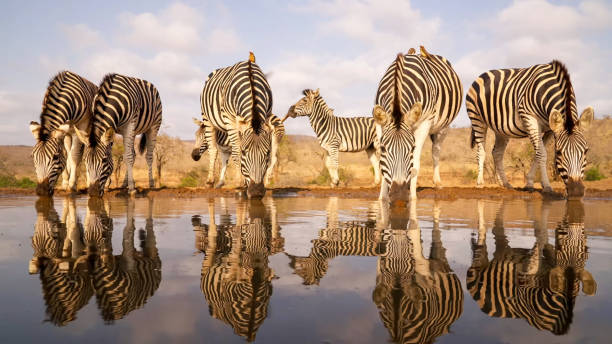
This natural concentration can make game viewing more productive because different species may gather in the same areas. It is not unusual to find elephants drinking, buffalo resting nearby, or predators waiting around water sources where prey animals regularly come to drink.

Easier Game Viewing

The combination of less vegetation and concentrated wildlife can make game drives particularly rewarding during the dry season. You may be able to see animals from greater distances, follow tracks more easily, and spend less time searching through thick vegetation.

Of course, wildlife is free to move wherever it chooses, so sightings can never be guaranteed. Even during peak season, every game drive is different, and that unpredictability is part of what makes a safari special.

Better Road Conditions in Many Destinations

Lower rainfall can also improve road conditions in many safari destinations. Roads that can become muddy or difficult to navigate during heavy rains are often firmer during the dry season.

This can make it easier for safari vehicles to reach different areas of a national park and spend more time exploring. However, road conditions vary between parks, and some roads can still be rough or challenging even during the dry months.

Excellent Conditions for Photography

For photographers, the dry season can offer some excellent opportunities. Clearer skies, open landscapes, thinner vegetation, and animals gathering around water can create strong scenes for both wildlife and landscape photography.

Early morning and late afternoon game drives are particularly attractive because the softer light can create beautiful photographs while wildlife is often active. The dry landscape can also provide a completely different look from the lush green scenery seen during the rainy season.

Great Migration Opportunities in East Africa

Another major reason for the popularity of this period is the Great Wildebeest Migration in East Africa. During different stages of the year, millions of wildebeest, along with zebras and other grazing animals, move through the Serengeti–Masai Mara ecosystem in search of fresh grass and water.

From around July onward, some herds may move through northern Serengeti and toward Kenya's Masai Mara, where river crossings can occur. However, the migration follows natural conditions rather than a fixed timetable. The exact location of the herds and the timing of river crossings can change from one year to another.

More Predictable Safari Conditions

The dry season generally brings more predictable weather than the wetter months, which can make planning a safari easier. Travelers can often expect long periods of dry weather, good visibility, and favorable conditions for outdoor activities.

This does not mean that every day will be sunny or completely rain-free. Africa has diverse climates, and weather can change between regions. Still, for many popular safari destinations, the lower rainfall during June to October is one of the main reasons this period attracts so many visitors.


Wildlife Viewing During Peak Season

One of the main reasons travelers choose the African safari peak season is the quality of wildlife viewing. As the dry season progresses, many animals become easier to spot across open plains, grasslands, woodland areas, and around permanent water sources. Every game drive is different, but June to October can offer memorable opportunities to see some of Africa’s most iconic wildlife in their natural habitat.


Lions

Lions are among the most exciting animals to look for on a safari. During the dry season, lions may often be found resting in shaded areas during the warmer parts of the day, while early morning and late afternoon game drives can offer better opportunities to see them active. In areas with healthy prey populations, you may also witness lions hunting, feeding, or interacting with a pride.

Elephants

Elephants are commonly seen during peak safari months, particularly around rivers, lakes, and other reliable water sources. Large family groups can sometimes be found moving across the plains, feeding on vegetation, or stopping to drink and bathe. Watching elephants at close range is often one of the most memorable parts of a Tanzania safari.

Leopards

Leopards are more difficult to find because they are solitary, secretive, and well camouflaged. A patient guide can make a big difference when searching for one. Look carefully in trees, especially where a leopard may be resting on a branch or keeping a recent kill away from other predators.

Buffalo

African buffalo are usually seen in herds, although smaller groups and solitary males can also be encountered. During the dry season, herds may gather near water or move through open grasslands in search of fresh grazing. Their size and numbers make a large buffalo herd an impressive sight during a game drive.

Giraffes

Giraffes are one of the easier animals to recognize on the open plains. Their height allows them to browse on trees above many other herbivores, and they can often be seen moving slowly between feeding areas. Seeing a giraffe against the wide African landscape also creates some of the classic safari photography moments.

Zebras

Zebras are particularly fascinating during the dry season because large groups may be seen moving across open grasslands in search of food and water. In the Serengeti ecosystem, zebras are also closely connected to the wider Great Migration, although their movements vary throughout the year depending on rainfall and grazing conditions.

Wildebeest

Wildebeest are central to the Great Migration experience in Tanzania and Kenya. During peak safari months, large herds may be moving through different parts of the Serengeti ecosystem, depending on rainfall, fresh grazing, and natural migration patterns. The exact location of the herds cannot be guaranteed for a specific date, which is why local knowledge and a flexible itinerary are important.

Hippos

Hippos are usually associated with rivers, lakes, and permanent pools where they spend much of the day in or near the water. A safari may offer opportunities to watch groups of hippos resting together, with only their heads visible above the water. They are especially interesting to observe around rivers and waterholes during the hotter parts of the day.

Rhinos

Rhinos are among the more difficult animals to encounter because their populations are limited in many safari areas. Ngorongoro Crater is one of the places in Tanzania where visitors may have an opportunity to see the endangered black rhino. Sightings are never guaranteed, but seeing one in the wild can be a particularly special safari experience.

Cheetahs

Cheetahs are built for speed and are often associated with open grasslands where they can use their remarkable running ability to hunt. During game drives, you may find them resting in the shade, scanning the plains, or watching potential prey from a distance. The open landscapes of areas such as the Serengeti can provide good conditions for searching for these fast and elusive predators.

A Different Experience on Every Game Drive

Peak season does not mean that every animal will be seen on every safari. Wildlife is free to move, and sightings depend on the location, weather, time of day, habitat, and natural behavior of the animals. What makes a safari special is the unpredictability, one morning may bring a pride of lions, while another drive could reveal elephants, a leopard resting in a tree, or thousands of wildebeest moving across the plains.

For the best experience, we recommend starting game drives early when wildlife is often more active and continuing later in the afternoon when temperatures become more comfortable. An experienced local safari guide can also help you understand animal behavior, track movements, and choose areas where wildlife activity is currently taking place.

Great Migration During Peak Season

For many travelers, the Great Migration is one of the main reasons to plan an African safari during peak season. The sight of thousands of wildebeest and zebras moving across the open plains, accompanied by predators following the herds, is one of the most remarkable wildlife experiences in East Africa.

However, there is an important point to understand before planning a migration safari: the Great Migration does not happen in one place on one fixed date. It is a continuous natural movement of animals across the wider Serengeti–Mara ecosystem, following rainfall, fresh grass, water, and changing grazing conditions. The exact location of the herds can therefore change from year to year and even from week to week.

What Is the Great Migration?

The Great Migration is the large-scale seasonal movement of wildebeest, zebras, and other grazing animals across the Serengeti in Tanzania and the Maasai Mara in Kenya. More than a million wildebeest are involved in this remarkable cycle, together with large numbers of zebras and other herbivores.

The animals move in search of fresh grazing and water, creating a constantly changing wildlife spectacle. Their movement also attracts predators such as lions, leopards, cheetahs, hyenas, and crocodiles, making the migration much more than simply a journey of herbivores from one area to another.

The Serengeti–Mara Ecosystem

The migration takes place across a much larger ecosystem than Serengeti National Park alone. The Serengeti–Mara ecosystem stretches across northern Tanzania and southern Kenya, with the Serengeti forming the southern part and Kenya's Maasai Mara forming an important northern section.

There are no borders in the natural movement of the animals. The herds follow ecological conditions rather than national boundaries. This is why a migration safari may involve different areas of the Serengeti at different times of the year, while the animals may eventually move into Kenya's Maasai Mara.

For travelers, this also means that choosing the right safari location is extremely important. A camp in Central Serengeti may provide a completely different migration experience from one in Northern Serengeti, depending on where the herds are moving at the time of your visit.

Great Migration Timing: What Happens From June to October?

June to October is one of the most sought-after periods for following the migration, but the movement does not follow an exact calendar. Rainfall and grazing conditions influence when and where the herds move.

June can be an interesting transition period as large herds begin moving northward from areas of the central and western Serengeti. The timing varies with seasonal conditions, so some herds may still be spread across different parts of the Serengeti.

July and August are traditionally associated with the northern movement of the migration. Herds may reach the Northern Serengeti, where they can gather around the Mara River and surrounding areas. This is also when many travelers begin looking for the dramatic river-crossing experience.

September can continue to offer migration activity in the northern Serengeti and Maasai Mara, depending on the movement of the herds. Some groups may still be in the northern areas while others have already moved further into Kenya.

October can bring further movement and the beginning of the herds' return southward as changing rainfall and grazing conditions influence their route. The exact timing is not fixed, so October should not be treated as a guaranteed deadline for the migration.

This is why experienced safari planning focuses on where the herds are expected to be, rather than simply choosing a month and assuming the animals will be in one particular location.

Northern Serengeti During the Migration

For travelers planning a Tanzania safari during peak season, Northern Serengeti is one of the most important areas to consider when following the migration.

The region includes areas around Kogatende and the Mara River, where migrating herds may gather before continuing north toward Kenya. When conditions are right, large groups of wildebeest and zebras can be seen moving through the landscape, sometimes stopping for days before continuing their journey.

Northern Serengeti is particularly attractive for travelers interested in the possibility of witnessing a river crossing. However, being in Northern Serengeti during July, August, September, or October does not automatically mean you will see a crossing. The herds may be nearby, may already have crossed, may be preparing to cross, or may move in another direction altogether.

This makes the northern Serengeti experience about more than the river itself. Even without a crossing, being surrounded by large migrating herds can be an extraordinary safari experience.

The Mara River

The Mara River is one of the most famous locations associated with the Great Migration. It flows through the northern Serengeti and into Kenya's Maasai Mara, forming part of the landscape that the migrating herds encounter during their northward movement.

The river creates a major natural obstacle for the animals. When herds gather along the banks, they may spend hours or even longer waiting before attempting to cross. The scene can change quickly, with animals suddenly entering the water after long periods of hesitation.

TANAPA has designated specific areas and regulations for viewing migration crossings along the Mara River in Serengeti National Park. Visitors are required to remain within designated viewing areas and give the animals sufficient space to move freely.

Kenya's Maasai Mara

After crossing the northern Serengeti, some of the migrating herds continue into Kenya's Maasai Mara, where they can spread across the reserve in search of fresh grazing.

The Maasai Mara forms an important part of the same wider ecosystem, so the migration should not be viewed as a separate Tanzania event and Kenya event. The animals move through a connected ecological system that crosses the international border.

The Maasai Mara is particularly associated with the July–October migration period and can offer opportunities to see large concentrations of wildebeest, zebras, predators, and other wildlife. The exact timing and location of the herds still depend on natural conditions.

Great Migration River Crossings

River crossings are perhaps the most famous images associated with the Great Migration. Large groups of wildebeest may gather along the riverbank, sometimes accompanied by zebras, before attempting to enter the water.

A crossing can be dramatic. Animals must negotiate steep banks, flowing water, strong currents, and other dangers while moving toward the opposite side. Crocodiles also inhabit sections of the river, adding another natural predator to an already challenging journey.

But a river crossing is not simply a scheduled safari activity. There is no official timetable telling you that the animals will cross at a certain hour on a particular day.

You may spend hours watching a herd gather at the riverbank without a crossing taking place. The animals may turn back, move to another section of the river, or cross when you are not there. This unpredictability is part of what makes the experience so special.

Why Can't Mara River Crossings Be Guaranteed?

One of the most important things to understand when booking a Great Migration safari is that no responsible safari operator can guarantee a Mara River crossing.

The decision to cross belongs entirely to the animals. Wildebeest may approach the river and hesitate for a long time before suddenly crossing, or they may change direction altogether. Rainfall, water levels, grazing conditions, the movement of the herd, predators, and other natural factors can influence their behavior.

Even if a crossing has taken place recently, there is no guarantee that another crossing will happen at the same location on the following day.

This is why safari companies should avoid promising phrases such as “guaranteed river crossing.” A better approach is to plan your safari around the areas where the migration is most likely to be located and allow enough time for wildlife viewing.

The Best Area Depends on Where the Herds Are Moving.

There is no single location that is always the best place to see the Great Migration. The right area depends on the current movement of the herds.

If the migration is moving through Central Serengeti, staying in the central region may provide better opportunities to encounter the herds. As the animals move north, Northern Serengeti becomes increasingly important. If large numbers have already crossed into Kenya, Maasai Mara may offer better opportunities for travelers following the herds there.

This is why migration-focused safaris benefit from flexible planning. Accommodation location, number of nights, road access, and the experience of the safari guide can all make a difference.

At Africa Safari Peak, we recommend planning the itinerary around the expected movement of the migration rather than choosing a destination based only on a fixed calendar date. Local knowledge can help determine which part of the Serengeti makes the most sense for your travel dates.

What Makes the Great Migration So Special During Peak Season?

The Great Migration adds another dimension to the normal safari experience. You are not only searching for individual animals; you may be watching a constantly moving landscape filled with wildebeest, zebras, predators, and other wildlife.

One moment you may be watching a herd slowly moving across the plains. Later, you could encounter lions waiting near a group of wildebeest, zebras moving alongside the herds, or hundreds of animals gathering near a river.

That combination of wildlife, movement, uncertainty, and scale is what makes the migration one of the major reasons travelers choose the African safari peak season.

For travelers who specifically want to follow the migration, the most important advice is simple: choose your dates carefully, allow enough time in the right region, and remain flexible about exactly where and when the herds will be found. Nature does not follow a fixed itinerary, and that is part of the Great Migration experience.
Best Countries for Peak Season Safari

Africa offers a wide range of safari destinations, and the experience can change significantly from one country to another. During the African safari peak season, many destinations across East and Southern Africa experience dry conditions, good wildlife visibility, and high demand from international travelers.

Rather than looking at Africa as one single safari destination, it is useful to understand what each country offers during the peak season. Some are famous for the Great Migration, others for elephants, predators, walking safaris, wetlands, or combining wildlife with other travel experiences.


1. Tanzania.

Tanzania is one of East Africa's most important safari destinations and offers a combination of large wildlife populations, diverse landscapes, and some of Africa's most famous national parks.

The country's main safari destinations include Serengeti National Park, Ngorongoro Conservation Area, Tarangire National Park, Lake Manyara National Park, and Ruaha National Park.

Serengeti National Park is particularly important during peak season for travelers interested in the Great Migration. From June to October, migrating wildebeest and zebras may move through different parts of the Serengeti as they follow fresh grazing and water.

Ngorongoro Conservation Area offers a very different safari environment. The Ngorongoro Crater is surrounded by steep walls and supports a high concentration of wildlife, including opportunities to see lions, elephants, buffalo, hippos, and the endangered black rhino.

Tarangire National Park is known for elephants, baobab trees, and dry-season wildlife concentrations around the Tarangire River and other water sources.

Further south, Ruaha National Park provides a more remote wilderness experience, with large landscapes and excellent opportunities for wildlife viewing around the Great Ruaha River.

Together, these destinations allow travelers to experience different sides of Tanzania during the African safari peak season, from migration and Big Five viewing to elephants and remote wilderness.


2.Kenya.

Kenya is another major East African safari destination, particularly well known for the Maasai Mara, which forms part of the wider Serengeti–Mara ecosystem.

During peak season, the Maasai Mara can offer excellent opportunities to see large concentrations of wildebeest, zebras, lions, cheetahs, elephants, buffalo, and other wildlife. It is also one of the major areas associated with the northern part of the Great Migration.

Other important safari destinations include Amboseli National Park, famous for its large elephant populations and views of Mount Kilimanjaro, and Tsavo National Park, one of Kenya's largest protected areas with extensive wilderness and diverse wildlife.

Kenya can therefore suit travelers who want a classic East African safari, particularly those interested in the Maasai Mara, elephants, or combining wildlife with other Kenyan experiences.


3. Botswana

Botswana offers a different type of African safari, with a strong focus on wilderness, wetlands, and water-based wildlife experiences.

The Okavango Delta is the country's most famous safari destination. Its network of channels, lagoons, islands, and surrounding dryland creates opportunities for game drives as well as water-based experiences such as mokoro excursions and boat trips, depending on the area.

Chobe National Park is particularly well known for elephants and buffalo. During the dry season, wildlife can become concentrated around the Chobe River, creating excellent opportunities for wildlife viewing.

Botswana is particularly suited to travelers looking for a quieter wilderness atmosphere, diverse landscapes, and safari experiences that go beyond traditional game drives.


4. South Africa

South Africa offers one of the most varied safari experiences on the continent, with Kruger National Park being one of its best-known wildlife destinations.

Kruger provides opportunities to see a wide range of African wildlife, including the Big Five, across extensive landscapes. The country also has a broad selection of lodges, private reserves, and safari experiences at different accommodation levels.

One of the advantages of a South Africa safari is the possibility of combining wildlife with other parts of the country, such as Cape Town, coastal areas, wine regions, and scenic road trips.

This makes South Africa suitable for travelers who want a safari as part of a larger African holiday rather than a wildlife-only trip.


5. Zambia

Zambia is particularly interesting for travelers who want a more wilderness-focused safari experience.

South Luangwa National Park is one of the country's major safari destinations and is known for wildlife around the Luangwa River. The dry season can bring animals closer to reliable water sources and improve visibility through thinner vegetation.

Zambia is also strongly associated with walking safaris, allowing visitors to experience the African bush on foot with a trained guide rather than experiencing the landscape only from a safari vehicle.

Other important areas include Lower Zambezi National Park, where wildlife viewing can be combined with activities on and around the Zambezi River.


6.Zimbabwe

Zimbabwe offers several important safari destinations, with Hwange National Park being the country's largest national park and one of its best-known wildlife areas.

Hwange is particularly recognized for elephants and a wide variety of other wildlife. During the dry season, animals may gather around available water sources, creating good opportunities for game viewing.

Zimbabwe can also be combined with Victoria Falls, allowing travelers to experience wildlife and one of Africa's most famous natural attractions within the same trip.


7. Namibia

Namibia provides a very different safari landscape from the greener plains and wetlands found in parts of East Africa.

Etosha National Park is the country's main wildlife destination and is particularly known for its large salt pan and waterholes. During the dry season, wildlife can gather around these water sources, making them important locations for game viewing.

Namibia is also famous for its dramatic desert landscapes, including the areas around Sossusvlei and the Namib Desert. Although the country offers a different type of wildlife experience from Tanzania or Kenya, it can be an excellent choice for travelers who want to combine safari with extraordinary scenery.


8. Uganda and Rwanda

Uganda and Rwanda are particularly important for travelers whose main interest is mountain gorilla and chimpanzee experiences, although both countries also offer traditional wildlife safaris.

In Uganda, important destinations include Bwindi Impenetrable National Park, Queen Elizabeth National Park, Murchison Falls National Park, and Kibale National Park.

Rwanda is best known for Volcanoes National Park, where travelers can experience mountain gorilla trekking. The country also offers other wildlife and nature experiences, including Akagera National Park.

Peak season can be a useful period for travelers interested in combining primate experiences with wildlife viewing, although conditions in tropical forests remain different from the dry savanna environments found in much of Tanzania, Kenya, Botswana, and Southern Africa.


How to Choose the Right Country for Peak Season

Choosing the right country for a peak-season safari depends on what you want to see, the type of landscape you enjoy, and the kind of safari experience you are looking for. Africa has different ecosystems, so peak season does not offer exactly the same experience everywhere.

If you are interested in the Great Migration, Tanzania and Kenya are the main countries to consider, particularly the Serengeti and Maasai Mara. Travelers looking for large elephant herds and wetland experiences may prefer Botswana, while Zambia is well known for its wilderness and walking safari experiences. South Africa offers a combination of wildlife viewing and well-developed safari facilities, while Namibia provides a different experience with dry landscapes and desert scenery.

Your travel dates are also important. Even during peak season, wildlife does not follow a fixed schedule. The location of migrating animals can change according to rainfall, water availability, and grazing conditions. For this reason, choosing the right destination within a country can be just as important as choosing the country itself.

Your safari style should also be considered. Some travelers prefer luxury lodges and private safari vehicles, while others are more interested in budget-friendly camps, longer game drives, or combining several destinations in one trip.

For travelers considering Tanzania, the country offers several major safari destinations that can be combined to create a varied peak-season safari.


Best Safari Destinations in Tanzania During Peak Season.

Tanzania offers a wide range of wildlife destinations, from the famous plains of the Serengeti to the volcanic landscape of Ngorongoro and the elephant-rich environment of Tarangire. During the African safari peak season, generally from June to October, these destinations can offer excellent opportunities for wildlife viewing under dry-season conditions.

A. Serengeti National Park,

The Serengeti is one of Tanzania's most famous safari destinations and a major destination for travelers visiting during peak season.

The park is particularly known for the Great Migration, when large herds of wildebeest and zebras move through the wider Serengeti–Mara ecosystem in search of fresh grazing and water. During June to October, different areas of the Serengeti can become important depending on where the herds are moving.

Beyond the migration, the Serengeti is also an excellent destination for seeing the Big Five, along with cheetahs, giraffes, zebras, hippos, hyenas, and many other species.

Its vast open plains also provide the classic African safari scenery many travelers imagine when planning a Tanzania safari.

B. Ngorongoro Conservation Area

The Ngorongoro Conservation Area offers one of the most distinctive wildlife experiences in Tanzania.

At the center of the area is the Ngorongoro Crater, a large volcanic caldera surrounded by steep walls and supporting a remarkable concentration of wildlife. Game drives inside the crater can provide excellent opportunities to see lions, elephants, buffalo, hippos, zebras, wildebeest, hyenas, and the endangered black rhino.

The crater's relatively compact environment makes it possible to experience a wide variety of wildlife within a single game drive, while the surrounding highlands add beautiful scenery to the safari.

Ngorongoro is also commonly combined with Serengeti and Tarangire, making it an important part of a northern Tanzania safari.

C. Tarangire National Park

Tarangire National Park is particularly famous for its large elephant populations and impressive baobab trees.

The park becomes especially interesting during the dry season as wildlife may concentrate around the Tarangire River and other available water sources. This can create excellent opportunities to see elephants, buffalo, giraffes, zebras, wildebeest, and other animals during game drives.

The landscape is also different from the open plains of the Serengeti, with woodland, grassland, seasonal rivers, and iconic baobabs creating a distinctive safari environment.

For travelers visiting Tanzania during peak season, Tarangire can be an excellent addition to a northern safari itinerary.

D. Lake Manyara National Park

Lake Manyara National Park is known for its combination of wildlife, scenery, forest, wetlands, and birdlife.

The park may offer sightings of elephants, buffalo, giraffes, zebras, hippos, baboons, and a wide variety of bird species. The lake and surrounding landscapes add a scenic element that makes the destination different from the open plains of the Serengeti.

Lake Manyara is also conveniently located for travelers exploring northern Tanzania and can be combined with destinations such as Tarangire and Ngorongoro.

For visitors interested in both wildlife and landscapes, it can add variety to a peak-season safari.

E. Ruaha National Park

Ruaha National Park offers a more remote safari experience in southern Tanzania.

The park is known for its vast wilderness, dramatic landscapes, baobab trees, and wildlife associated with the Great Ruaha River and other water sources. During the dry season, wildlife viewing can become particularly interesting as animals make greater use of reliable water sources.

Ruaha is a good option for travelers who want to experience a quieter side of Tanzania away from the more frequently visited northern safari circuit.

It can also be an excellent choice for a longer Tanzania safari where travelers want to combine the famous northern destinations with a more remote southern wilderness experience.

As the Africa Safari Peak team, we deal specifically with Tanzania safari experiences. This allows us to focus on the country's major wildlife destinations and the animals you can encounter during the African safari peak season.

Tanzania is home to a wide variety of African wildlife, and during the peak season, generally from June to October, the dry conditions in many safari areas can create excellent opportunities for game viewing. Among the animals you may encounter are lions, leopards, elephants, buffalo, and rhinos — the famous Big Five.

Beyond the Big Five, Tanzania's national parks and conservation areas are also home to wildebeest, zebras, giraffes, cheetahs, hippos, hyenas, antelopes, and hundreds of bird species. The exact animals you see will depend on the destination, season, habitat, and natural movement of wildlife.

The Serengeti is particularly important during peak season for travelers interested in the Great Migration, while the Ngorongoro Crater offers concentrated wildlife viewing in a unique volcanic landscape. Tarangire is well known for elephants and baobabs, Lake Manyara offers a combination of wildlife, scenery, and birdlife, while Ruaha provides a more remote southern Tanzania safari experience.

Because our safari work is focused on Tanzania, the destinations discussed above form the core of the safari experiences we arrange. Depending on your travel dates and interests, these areas can be combined to create a Tanzania safari focused on the wildlife and experiences you want to see.

Best Time for a Safari During Peak Season

Choosing the best time for a safari during peak season depends on what you want to experience, your budget, and how comfortable you are with higher visitor numbers. Instead of choosing one specific month as the “best,” it is better to understand what each part of the peak season offers.

Best Overall Period: June–October

June to October is generally considered the best overall period for an African safari, particularly across many destinations in East and Southern Africa. This is the main dry season in many safari areas, with lower rainfall, thinner vegetation, and wildlife often becoming easier to spot around permanent water sources.

However, conditions vary between countries and parks, so the experience in June can be different from September or October. Your choice should also depend on the destination and the type of wildlife experience you are looking for.

High-Demand Period: July–September

July to September is typically the busiest part of the African safari peak season. These months combine dry conditions with excellent wildlife-viewing opportunities and are especially popular with travelers planning a Great Migration safari.

In Tanzania and Kenya, this period can offer opportunities to see large concentrations of wildebeest and zebras, including possible river-crossing activity in the northern Serengeti and Maasai Mara. River crossings are natural events, however, and cannot be guaranteed on a specific date.

Because demand is higher during July, August, and September, safari lodges, camps, and popular destinations can fill up quickly, and prices are generally higher than during shoulder or low season.

Migration-Focused Travel: Follow the Herd Movement.

If the main purpose of your safari is to experience the Great Migration, choosing a month alone is not enough. The herds move continuously through the Serengeti–Mara ecosystem in response to rainfall, fresh grazing, and water availability.

For this reason, migration-focused travel should be planned around the expected location of the herds, rather than simply booking a safari because it is July or August. The northern Serengeti can be important during part of the migration season, particularly for travelers interested in possible Mara River crossings, while other parts of the Serengeti become more relevant at different times of the year.

Fewer Crowds: Consider the Shoulder Season.

If you want a good balance between wildlife viewing, fewer visitors, and potentially better rates, consider traveling just before or after the busiest peak months. May–June and October–November can offer different advantages depending on the destination and local rainfall patterns.

Shoulder-season travel can provide a quieter safari atmosphere, but weather and wildlife conditions are generally less predictable than during the driest part of peak season.

Lower Budget: Consider the Green or Low Season.

Travelers who are more focused on value may consider the green or low season, when safari demand is often lower. Depending on the destination, this period can bring lower accommodation rates, fewer vehicles at popular wildlife areas, greener landscapes, and excellent birdwatching.

Wildlife viewing can still be rewarding, but rainfall may be more frequent and animals may be more widely dispersed because water is available across a larger area.

The Best Time Depends on Your Safari Goal.

There is no single month that is perfect for every traveler. June–October provides the main peak-season window for many African safari destinations, while July–September represents the highest-demand period. If your priority is the Great Migration, follow the expected herd movement; if your priority is fewer crowds or a lower budget, shoulder and low seasons may be more suitable.

The most important step is to match your travel dates, destination, wildlife interests, and budget before choosing your safari month.

Peak Season Safari Prices

Planning an African safari during peak season comes with endless possibilities, and so do the pricing options. Because every journey is tailored to individual preferences, there is no one-size-fits-all cost.

The overall investment for a peak-season safari depends on how long you want to explore, where you choose to travel, your preferred level of comfort, and the style of safari you select. A short, three-day trip staying in cozy mid-range lodges offers a completely different experience and price point, than a week-long private expedition featuring luxury camps, internal bush flights, and exclusive activities.

What Shapes the Cost of a Peak Season Safari?

When crafting a custom safari itinerary, several key elements shape the final quote:

  • Duration: More days on the trail naturally increase accommodation costs, meal provisions, park entrance fees, and daily vehicle and guide rates.

  • Destinations Visited: Park fees, conservation tariffs, and logistical demands vary considerably between national parks and reserves.

  • Accommodation Style: Your choice ranging from budget campsites to charming mid-range lodges, or ultra-luxury tented camps directly impacts overall costs.

  • Private vs. Group Travel: A private safari gives you exclusive access to a vehicle and total flexibility over your daily schedule. Group safaris, on the other hand, allow vehicle and guide expenses to be shared.

  • Traveler Count: Larger private groups benefit from a reduced per-person rate, as core expenses like transport and guide fees are split among more guests.

  • Vehicle Type: Standard 4×4 custom land cruisers and premium, specially outfitted safari vehicles carry different operational values.

  • Park & Conservation Fees: Government park entry fees, crater service charges, and conservation levies differ depending on your chosen route.

  • Seasonal Demand: High demand during peak season drives up lodge rates and service availability compared to shoulder or green seasons.

  • Internal Flights: Flying between remote parks saves travel time on dusty roads, though it adds flight charges to the budget.

  • Special Activities: Enhancements like hot-air balloon safaris, guided walking safaris, night game drives, or cultural visits add unique value to the journey.


Choosing Your Style: Budget, Mid-Range, or Luxury.

Peak season caters to every travel style. The difference across tier levels goes beyond price. It shapes where you sleep, the level of personalized service you enjoy, and the overall rhythm of your journey.

Budget Safari

Perfect for adventurous travelers who want to immerse themselves in wild landscapes while keeping expenses low. Accommodations typically feature well-maintained public or private campsites or simple, clean lodges. You enjoy the exact same world-class wildlife viewings and game drives, wrapped in a straightforward, basic setup.

Mid-Range Safari

The most popular choice for travelers seeking comfortable, well-appointed lodgings without a luxury price tag. Expect charming lodges or permanent tented camps complete with private ensuite bathrooms, delicious full-board meals, and expertly guided game drives.

Luxury Safari

Tailored for guests looking for uncompromised comfort, exclusivity, and fine dining in the heart of the wild. These itineraries incorporate top-tier safari lodges or lavish tented camps, dedicated private vehicles, personal butler services, and custom-curated experiences.


Note: Please consider these price ranges as a helpful starting guide rather than fixed rates. Your actual safari cost will naturally depend on your chosen route, group size, trip duration, and specific preferences. For example, a short two-day safari will fall on the lower end of the scale, while an extended journey visiting multiple parks with high-end accommodations will sit higher.

How We Build Your Dream Safari

The moment you contact us and share your trip duration, preferred level of comfort, and total number of travelers, our expert team immediately goes to work crafting a personalized itinerary tailored specifically for you. We thoughtfully design your route to ensure you are in the best locations at the right time, maximizing your chances of seeing all the iconic wildlife you have been dreaming of while enjoying a seamless, unforgettable safari experience.

What Is Typically Included and not Included in a Peak Season Safari in Africa?

Typically Included

When booking your peak season adventure with Africa Safari Peak Team, we believe in complete clarity and exceptional value. We take care of all the core logistics so you can focus entirely on enjoying the wild. While specific inclusions may vary slightly depending on your chosen travel package, a standard peak season itinerary with us typically includes:

✔ Private or shared custom 4×4 safari vehicle with pop-up roof for optimal game viewing

✔ Professional, licensed English-speaking driver/guide

✔ Pre and Post hotel Accommodation in getway city (Arusha/Moshi)

✔ All national park entrance fees

✔ Conservation fees and Ngorongoro Crater service fees (where applicable)

✔ Full-board meals (breakfast, lunch, and dinner) while on safari

✔ Unlimited bottled drinking water in the safari vehicle

✔ Comprehensive game drives as detailed in your custom itinerary

✔ Seamless airport transfers upon arrival and departure

✔ Convenient hotel pickup and drop-off

✔ All relevant government taxes and statutory levies


What Is Not Included?

To ensure complete transparency and avoid any confusion during your journey, please note that the following items are generally excluded from our standard package rates unless explicitly requested and added to your itinerary:

✖ International flights to and from Africa

✖ Accommodation during safari for all days chosen ( arranged upon request)

✖ Visa entry fees

✖ Comprehensive travel and medical insurance

✖ Tips and gratuities for safari guides, lodge staff, or porters

✖ Personal expenses (souvenirs, phone calls, personal purchases)

✖ Premium alcoholic beverages and soft drinks at lodges (unless specified)

✖ Laundry services at accommodations

✖ Optional add-on activities (e.g., walking safaris, cultural village visits)

✖ Hot-air balloon safaris (unless specifically included in your contract)

✖ Any extra items or services not explicitly listed in your final itinerary

How Far in Advance Should You Book?

Early booking is highly recommended for an African safari during peak season, especially when traveling between July and September. Peak season is a high-demand period, so planning early gives you a better chance of securing the accommodation, safari vehicle, and services that match your preferences.

Booking early also allows your safari operator to arrange good-quality safari vehicles and experienced drivers or guides in advance, reserve your preferred hotels and lodges, and organize park fees, permits, internal flights, and other required services before availability becomes limited.

For popular destinations such as the Serengeti, early planning can make it easier to build the itinerary you want rather than adjusting your plans around whatever remains available.

What to Pack for an African Safari in Peak Season

Packing smart ensures a comfortable and enjoyable safari experience. During the peak season, early morning game drives can be chilly, while afternoons get warm and sunny. To help you prepare, here is a quick guide on what to bring for your journey:

Clothing & Wearables

  • Neutral-colored clothing: Khaki, beige, green, or bush tones blend well with nature and avoid attracting insects.

  • Light layers: Breathable, easy-to-layer clothes allow you to adjust as temperatures change throughout the day.

  • Fleece jacket or warm sweater: Essential for crisp early morning and evening game drives.

  • Sun protection: A wide-brimmed hat, sunglasses, and high-SPF sunscreen to guard against the strong African sun.

  • Comfortable footwear: Sturdy walking shoes or trail sneakers for safari activities and lodge walking.

Essential Gear & Electronics

  • Binoculars: Highly recommended for spotting distant wildlife and birds clearly.

  • Camera with extra memory: To capture every unforgettable moment of your trip.

  • Power bank: Keeps your phone, camera, and devices charged during long full-day game drives.

  • Reusable water bottle: Helps you stay hydrated while supporting eco-friendly travel practices.

Personal Care & Health

  • Insect repellent: Protects against mosquitoes and insects during evening relaxation.

  • Personal medication: Bring an ample supply of any required prescription medicines and basic travel health items.

What Is the Weather Like During Peak Safari Season?

Peak season generally brings clear skies, warm sunshine, and drier trails across most East African wildlife destinations. However, temperatures shift noticeably throughout the day, so knowing what to expect helps you pack and dress comfortably for game drives.

Mornings start out surprisingly crisp and cool. As you set off at dawn when wildlife is most active, open safari vehicles and chilly breezes call for a cozy jacket or fleece layer. By midday, the sun warms up the landscape, bringing pleasantly warm to hot temperatures ideal for light, breathable clothing while relaxing around camp or enjoying an afternoon drive. As the sun dips below the horizon, temperatures cool down quickly, making evenings comfortable for dinner under the stars around a campfire.

While peak season falls in the dry months, weather can still vary depending on the specific park or region you visit. High-altitude areas like the Ngorongoro Crater rim remain significantly cooler day and night, and light, brief showers can occasionally happen. Expect generally dry conditions with minimal rainfall rather than absolute zero rain, making layered clothing your best friend throughout the trip.

Who Is a Peak Season Safari Best For?

Peak season is a great time for a safari if your main goal is to enjoy excellent wildlife viewing, dry weather, and comfortable travel conditions. It is suitable for many types of travelers, but it can be especially rewarding for:

  • First-Time Safari Travelers: If this is your first safari in Africa, peak season is a great opportunity to experience the classic African wildlife experience. With less vegetation and animals often gathering around water sources, wildlife can be easier to spot.
  • Great Migration Enthusiasts: If seeing the Great Migration is one of your main goals, July to October is an important period to consider, especially for travelers hoping to see wildebeest and zebras in the northern Serengeti and around the Mara River.
  • Wildlife Photographers: Dry conditions and shorter grass can provide clearer views of wildlife. The combination of good visibility, natural light, and active wildlife also creates excellent photography opportunities.
  • Families & Multi-Generational Groups: The dry weather makes it easier to enjoy game drives and outdoor activities without frequent rain or muddy roads. This can make the safari more comfortable for families traveling with children or older relatives.
  • Couples & Honeymooners: A safari during peak season offers beautiful scenery, exciting wildlife, and memorable evenings in the bush, making it a wonderful setting for a honeymoon, anniversary, or romantic getaway.
  • Luxury Safari Travelers: Travelers looking for a more comfortable safari experience can enjoy a wide choice of luxury lodges and tented camps, as well as options such as private vehicles and special bush dining experiences.
  • Travelers Who Prefer Dry Weather: If you prefer sunny days and want to avoid heavy rainfall and muddy safari roads, peak season is a good period to consider.
  • Dedicated Wildlife Enthusiasts: If wildlife is your main priority, peak season offers strong opportunities to spend long hours on game drives and observe animals in open areas where they are easier to see.

Pros and Cons of Peak Safari Season

Peak safari season offers some of the best conditions for wildlife viewing, but it also comes with a few things to consider before planning your trip.

Advantages of Peak Season

  • Excellent Wildlife Viewing: Dry conditions and shorter vegetation often make it easier to spot animals, especially around water sources and open plains.
  • Dry & Comfortable Weather: Most days are dry with plenty of sunshine, making game drives and outdoor activities more comfortable.
  • Great Photography Opportunities: Clear visibility, open landscapes, and good natural light create excellent conditions for wildlife and landscape photography.
  • Great Migration Opportunities: July to October can offer opportunities to witness different stages of the Great Migration, depending on the location and timing.
  • Better Road Conditions: With less rainfall, many safari roads are generally drier and easier to travel compared with the wetter months.

Things to Consider.

  • Higher Prices: Peak season is one of the most popular times to visit, so accommodation and safari packages can be more expensive.
  • More Visitors: Popular parks and wildlife areas can attract more safari vehicles, particularly around well-known wildlife sightings.
  • Accommodation Can Sell Out Quickly: Popular lodges and camps may fill up months in advance, especially during July to October.
  • Some Areas Can Be Busy: If several vehicles gather around the same wildlife sighting, certain areas may feel busier than during the quieter seasons.

Why Choose Africa Safari Peak Team for Your Peak Season Safari?

Planning a peak season safari in Tanzania requires more than simply choosing a park and booking a lodge. With higher demand, limited accommodation, and popular wildlife areas becoming busier, having an experienced local safari specialist can make a real difference. Africa Safari Peak is a Tanzania-based, registered safari company specializing in carefully planned private safaris across Tanzania.

As Tanzania specialists, we know the parks, wildlife areas, seasons, routes, camps, and safari logistics in detail. Our local knowledge allows us to design your safari around what you actually want to experience, whether your priority is the Great Migration, the Big Five, photography, luxury accommodation, family travel, or a private and relaxed safari experience.

We specialize in private safari arrangements, giving you the freedom to choose your travel dates, safari pace, accommodation level, and activities. Instead of following a fixed group schedule, your safari can be designed around your interests, budget, and travel style.

Our team also understands how important timing is during peak season. We carefully plan your itinerary, accommodation, park visits, and game-drive locations to help you make the most of your time in Tanzania while avoiding unnecessary travel and poorly planned connections.

With Africa Safari Peak, you are working with a local Tanzanian team that knows Tanzania from the ground up. From your first inquiry to airport pickup, safari adventures, and your final transfer, we focus on clear communication, reliable arrangements, professional guides, and personal service throughout your journey.

Your safari should be more than a holiday, it should be a carefully planned African experience that you will remember for years. Let our Tanzania safari specialists create a private peak season safari that matches your expectations and gives you the freedom to experience Tanzania your way.

Ready to plan your peak season adventure?
Contact Africa Safari Peak today and let our Tanzania safari specialists start designing your private safari.

Frequently Asked Questions

Quick expert insights regarding the routes and matching conditions specified above.

1. When is peak safari season in Tanzania?
Peak season generally runs from June to October, with July to October being especially popular for wildlife and the Great Migration.
2. Is peak season a good time for a Tanzania safari?
Yes. It offers dry weather, excellent wildlife viewing, and good road conditions in many areas.
3. Can I see the Great Migration during peak season?
Yes. From July to October, you may have opportunities to see large herds in Northern Serengeti and Mara River crossings, depending on the migration's movement.
4. Is Tanzania crowded during peak season?
Some popular wildlife areas can be busy, especially around major sightings, but private safaris offer more flexibility.
5. Are peak season safari prices higher?
Yes. Higher demand usually means higher accommodation and safari prices compared with the low season.
6. How early should I book my peak season safari?
Booking several months in advance is recommended, especially for July to October, when popular lodges and camps can fill quickly.
7. Can I book a private safari during peak season?
Yes. Africa Safari Peak specializes in private safaris and can customize your itinerary around your dates, budget, and interests.
8. Which parks can I visit during peak season?
Popular options include Serengeti, Ngorongoro, Tarangire, and Lake Manyara, depending on your itinerary.
9. Can I combine my safari with Zanzibar?
Yes. You can combine your Tanzania safari with a Zanzibar beach holiday for a complete safari and beach experience.
10. Why choose Africa Safari Peak for my peak season safari?
We are a registered Tanzania safari specialist with strong local knowledge and experience arranging private safaris. We plan each trip around your needs and travel style.
11. Do you offer services other than safari?
Yes. Besides safaris, we also offer Kilimanjaro climbing, Zanzibar tours, airport transfers, day trips, and customized Tanzania travel packages.

Plan Your Tanzania Safari With Local Experts

Discover Serengeti, Ngorongoro, Tarangire, Zanzibar and Kilimanjaro with tailor-made adventures designed natively by Africa Safari Peak.